Spotify takes 30%.
You get pennies.
Porto is decentralized streaming infrastructure. Artists and labels run the network. You're not a tenant anymore. You're an owner.
How It Works
Nodes
Labels, artists, and operators run edge nodes that cache and stream content. No centralized CDN. The network is owned by its participants.
Streams
Every play is logged on-chain. Transparent, auditable, real-time. No opaque accounting. No disputes about what got played.
Payouts
Micropayments split automatically between rights holders and node operators. No platform taking 30%. Value flows to participants.
Litepaper
The Problem
Even artists with 1M+ monthly streams are struggling to survive.
In the CD/download era, that level of attention brought in $10K–$40K/month. Today on Spotify, it nets $500–$1,000 to the artist after label, publisher, distributor, and platform cuts.
Streaming has scaled consumption. But centralized infrastructure has capped revenue.
Labels, publishers, and artists don't own the distribution layer—platforms do.
Spotify's Real Moat
Spotify's USP isn't playlists or UI. It's infrastructure.
They've built their own global edge compute CDN—a custom content delivery network optimized for fast audio streaming at scale. Unlike most consumer tech companies, Spotify doesn't rely on AWS or Cloudflare for edge delivery. They use a proprietary mesh of globally distributed cache nodes and compute infrastructure, designed in-house.
This gives Spotify total control over performance, cost, and data. That's what allows them to serve 500M+ users with near-instant playback, at low latency and high resilience.
But only Spotify benefits from it. Artists, labels, and publishers don't see any upside. They plug in and get paid pennies.
Why NFTs Didn't Solve It
Crypto music projects focused on tying songs or royalties to NFTs. They reimagined ownership, but not delivery.
You can own the music—but if Spotify still delivers it, you don't own the value chain.
The problem is infrastructure. Tokenizing without replacing distribution doesn't change payouts.
The Solution
Recreate Spotify's edge CDN model—but decentralized and music-industry owned.
- Labels, artists, publishers, and curators run nodes that cache and stream content
- Each stream pays out to the rights holder + node operator via micropayment splits
- All activity is logged on-chain—auditable, real-time royalties
- No centralized platform tax—value flows to participants
Once labels and artists see how much more they can earn—and realize they can own part of the network—they'll start distributing through it.
They're not tenants anymore. They're landlords.
Architecture
Two Node Types, One Binary
Porto runs on a single configurable node that can operate in three modes:
- CDN Mode: Caches content, serves streams, submits attestations
- Validator Mode: Participates in consensus, executes the accounting VM
- Full Mode: Does both—the default for small operators
At launch, all nodes run full mode. As the network scales, operators can specialize.
The Accounting VM
Porto uses Move for on-chain logic—not as a dApp platform, but as a verified accounting VM. Three modules only:
- Stream Accounting: Receives attestations, maintains canonical play counts
- Payout Splitter: Applies royalty splits, handles multiple rights holders per track
- Governance Parameters: Fee percentages, thresholds, upgrade authorization
Everything behind versioned upgrades. Minimal attack surface. Clear separation of concerns.
Content Layer
No IPFS. Simple origin storage (S3-style) with node-level caching. Artists upload to origin. Nodes pull and cache. Streams served from nearest node.
This is licensed music from opted-in artists, not permissionless file sharing. We don't need content-addressed complexity.
Token Model
The Split
At $5/month per user:
- 70% to rights holders (artists, labels, publishers)
- 15% to node operators
- 15% to protocol treasury
Payouts in the native token. Node operators earn both cash-equivalent rewards and token appreciation upside.
Bootstrapping Economics
Early node operators aren't running infrastructure for immediate cash returns. They're earning tokens that could appreciate significantly if the network succeeds.
This is how every successful DePIN has bootstrapped. The token isn't just payment rails—it's a speculation-fueled growth engine that bridges the gap until organic economics take over.
The Long Game
We don't need to replace Spotify overnight. We need to capture the margin.
An artist with 1M monthly Spotify listeners might see 1% of their most dedicated fans follow them to Porto. 10,000 superfans streaming at 10x the payout rate equals the same income—from 1% of the audience.
Scale that across thousands of artists, each bringing their most engaged listeners. The catalog grows. The network effects compound. At critical mass, casual listeners can use the platform too.
The Catalyst Moments
- A mid-tier artist goes exclusive and it works—visible proof that the model pays
- Spotify does something unpopular—price hikes, payout cuts, public fights with artists
- A meaningful indie label comes on board—catalog depth overnight
- Cultural moment—a viral story where Porto is the counterexample
Transparency Dividend
There are continual disputes between rights holders and royalty collection services (ASCAP, PRS, BMI) with several notable lawsuits. The on-chain ledger of streams provides a step toward transparency in royalty collection.
It's impossible to get rid of collection societies. But Porto provides a publicly verifiable, granular, and accurate record for them to get paid against.
No more arguments about what got played.
Roadmap
Phase 1: London Testnet
5 nodes. 100 artists. Working streams and payouts on testnet. Proof the model works.
Phase 2: Expand & Raise
Pre-seed funding. 5-10 cities on testnet. 1,000+ artists. First indie label partnerships.
Phase 3: Mainnet
Token goes live. Multiple cities operational. Coordinated launch with artist ambassadors.
Phase 4: Scale
Series A. 20+ cities. Meaningful catalog. The network becomes undeniable.
Why Now
- Spotify's infrastructure shows what's possible—but they don't share the upside
- Artists, labels and publishers are ready to own more than just the content
- DePIN models now make decentralized infrastructure viable at scale
- The market narrative is there, artist frustration with streaming is at an all-time high
- No one owns the "Spotify of Web3"
The infrastructure layer is up for grabs. Porto is taking it.
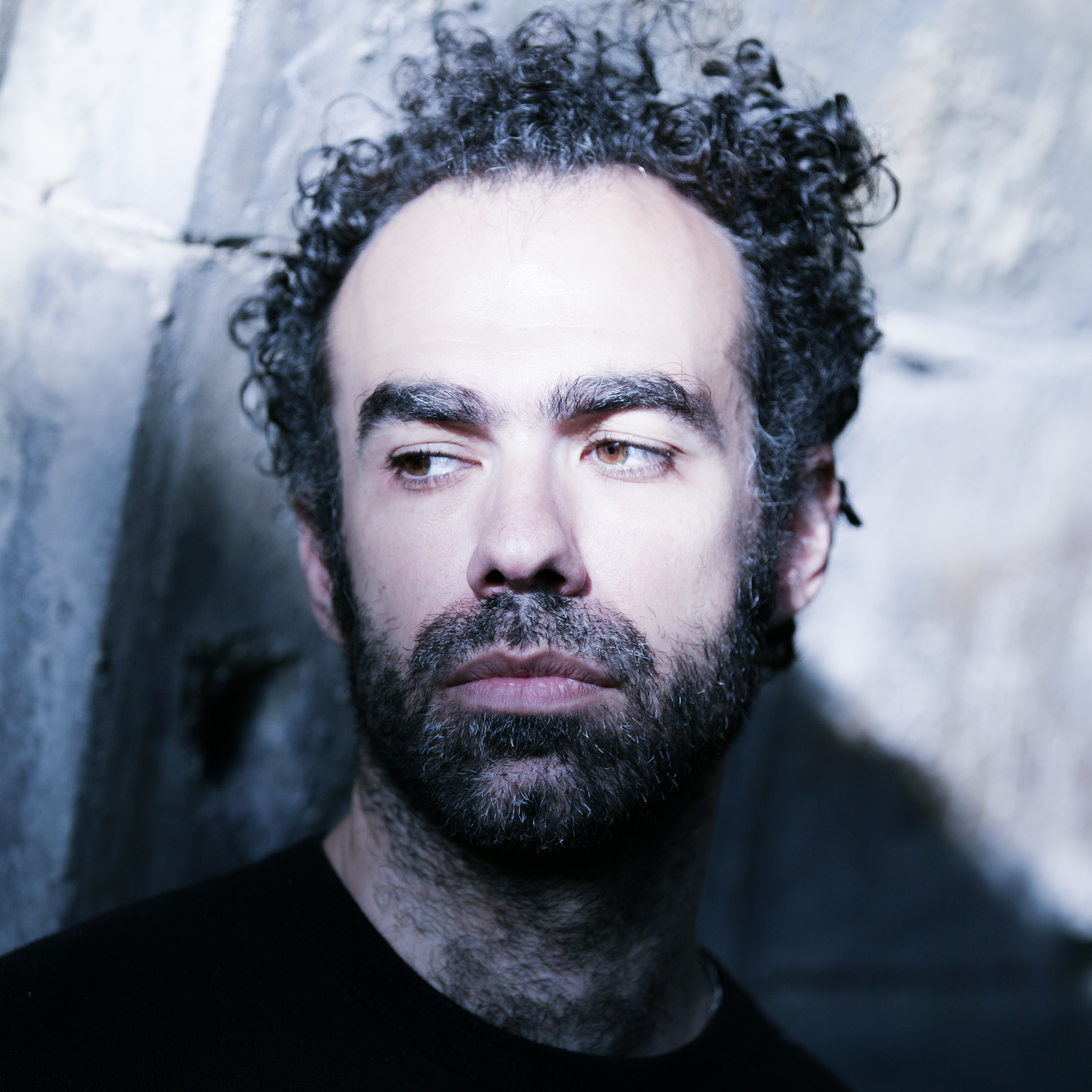
Richard Melkonian
Role: Founder
Hacker Name: 0xmovses
I spent years building infrastructure for new financial systems. Eventually I started asking a different question: who owns the rails of cultural distribution?
I was the second hire at Movement Labs, where I helped design and architect their M2 rollup and led the protocol team through testnet to mainnet — my designs and implementation facilitated over 1 million transactions per day. I designed and implemented their Atomic Bridge Protocol from RFC through to production, and built the USDCx Bridge.
Before that, I worked at Parity Technologies on the polkadot-sdk — rebuilding parachain integration systems, XCM messaging, and FRAME pallet code that powers Substrate blockchains. At Dapper Labs, I designed and was the main contributor for CAST, an on-chain governance tool for the Flow blockchain. I've also built indexer infrastructure at Fuel Labs.
As CTO of Inflow Music, I architected core DeFi contracts, built the frontend and backend, and led a team of 15 developers. We raised $1.5M and launched on Flow. That experience showed me first-hand how broken music economics are — even when you build the tech right.
Alongside this, I've maintained an independent creative practice in music and film. I've released records, composed for screen, and directed feature work — experiencing first-hand how digital distribution reshaped the economics of creative work.
Porto emerged from that overlap. I've lived the streaming economy from the inside. I know exactly what it feels like to generate attention at scale and watch the revenue evaporate through layers of intermediaries.
Porto is my attempt to apply infrastructure thinking to music — rebuilding streaming from the network layer up, so that the people creating and curating culture can also own the system that distributes it.
Join the Network
Artists. Node operators. Believers. Get early access to Porto.